Choosing how to build your website is a critical decision that directly impacts performance, flexibility, scalability, and long-term growth. For many businesses, the choice comes down to using a website builder or investing in custom web development. While both approaches have their place, the right solution depends on your goals, budget, and how central your website is to your business strategy.
Understanding the differences between these options helps ensure your website supports—not limits—your future success.
Understanding Website Builders
Website builders are popular because they offer a fast and accessible way to get online. These platforms typically provide drag-and-drop interfaces, pre-designed templates, and bundled hosting, making them attractive to non-technical users.
- Website builders are well suited for:
- Small or personal websites
- Temporary landing pages
- Early-stage businesses testing an idea
- Projects with minimal customization needs
The Limitations of Website Builders
While convenient, website builders come with inherent limitations that can become restrictive as a business grows. Customization options are often limited to what the platform allows, making it difficult to create a truly unique brand experience.
- Common challenges include:
- Limited performance optimization and slower load times
- Restricted control over code and site structure
- Difficulty scaling as traffic, content, or features increase
- Dependence on platform-specific tools and updates
As business needs evolve, many companies find that website builders struggle to keep up with more advanced requirements.
The Power of Custom Web Development
Custom web development offers significantly more flexibility and control. Instead of adapting your business to a platform, the website is built around your specific goals, branding, and user journey.
- Benefits of custom development include:
- Tailored design aligned with your brand identity
- Optimized performance and faster load times
- Advanced functionality built specifically for your needs
- Seamless integration with CRMs, marketing tools, and third-party systems
This approach allows businesses to create a website that works as a strategic asset rather than a generic online presence.
Scalability and Long-Term Flexibility
Scalability is one of the most important differences between website builders and custom development. Custom-built websites are designed with growth in mind, making it easier to add new features, expand content, and handle increased traffic without sacrificing performance.
For businesses planning to scale, enter competitive markets, or support complex workflows, custom development provides the flexibility needed to evolve without major rebuilds.
Security Considerations
Security is another critical factor when choosing how to build your website. Custom web development allows developers to implement security measures tailored to your business model, industry requirements, and data sensitivity.
Website builders typically operate in shared environments, which may not provide the level of control or customization required for businesses handling sensitive information. For growing organizations, stronger and more adaptable security practices are often essential.
SEO and Performance Advantages of Custom Development
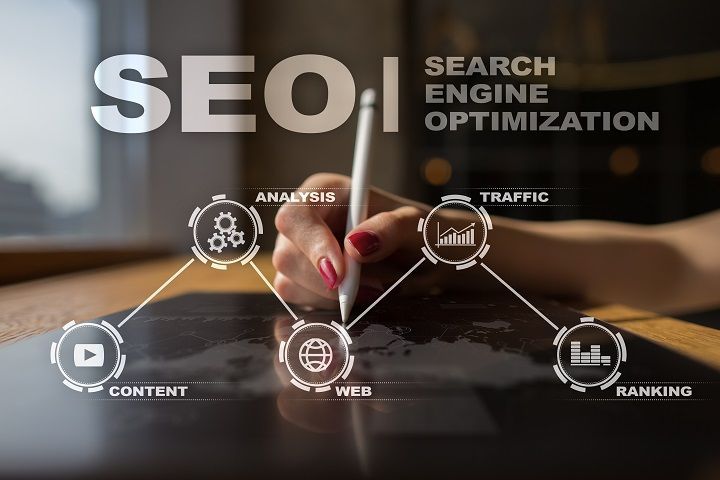
From an SEO perspective, custom development offers greater control over technical optimization. Developers can fine-tune site structure, page speed, schema markup, and performance settings to align with evolving search engine requirements.
- This level of control makes it easier to:
- Implement advanced SEO strategies
- Improve site speed and Core Web Vitals
- Adapt quickly to algorithm changes
For businesses that rely on organic traffic, these advantages can make a significant difference over time.
Cost vs. Long-Term Value
While custom web development requires a higher initial investment, it often delivers better long-term value. Businesses that outgrow website builders frequently face migration costs, performance issues, or lost opportunities due to platform limitations.
Custom development reduces these risks by providing a scalable, future-ready foundation that supports ongoing growth and digital performance.
Choosing the Right Path for Your Business
Ultimately, the decision between a website builder and custom web development comes down to your business vision. If your website is a core asset that supports sales, marketing, customer engagement, or internal operations, custom development is an investment in reliability, performance, and long-term success.
For small or short-term projects, website builders may be sufficient. But for businesses focused on growth, competition, and digital excellence, custom web development offers the control and flexibility needed to succeed in the years ahead.